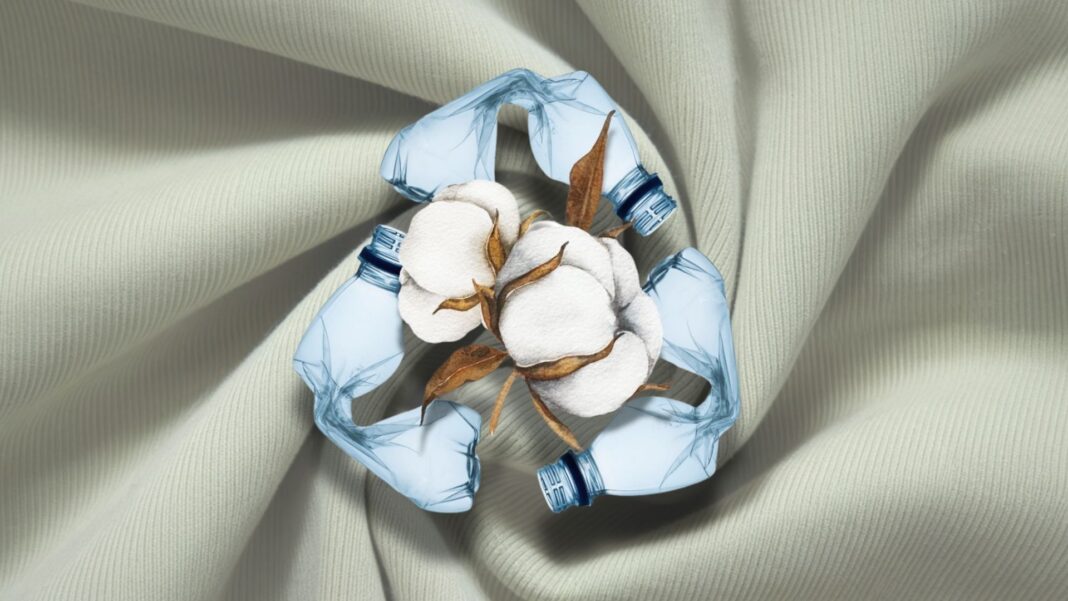


What if we were to say that without plastic, airplanes wouldn’t be able to fly, cars wouldn’t run, and even artificial intelligence wouldn’t exist? Yes, that would be an exaggeration. However, we can say this: without plastic, airplanes and cars would not have the lightness, efficiency, and accessibility we rely on today. Electronics and artificial intelligence would not have developed at this scale either. The same holds true when we look at textiles. Without plastic, production would rely solely on materials such as cotton, wool, linen, and silk—slower and more costly to produce. In other words, we would be forced to produce less and, consequently, have access to fewer garments. Our wardrobes would be smaller than they are today, but longer-lasting. Clothing would remain something to be used, rather than consumed. So, can we say that natural fibers are inherently “good”? No—that, too, would be an overstatement. Because in order to define a fiber as sustainable or “good,” a wide range of criteria—many of which are discussed in this article—must be taken into account.
In our previous issue, we offered a general introduction and addressed the concept of controlled scaling in textiles within the framework of the circular economy. Now, we turn to the first stage in a textile product’s life cycle: raw materials. We will focus on cotton, widely regarded as a “good” and “environmentally friendly” natural fiber, and polyester, which falls into the category of plastics often labeled as “bad” or “harmful,” and examine to what extent these labels are justified.
Can cotton, inherently “good,” turn harmful through agricultural practices?
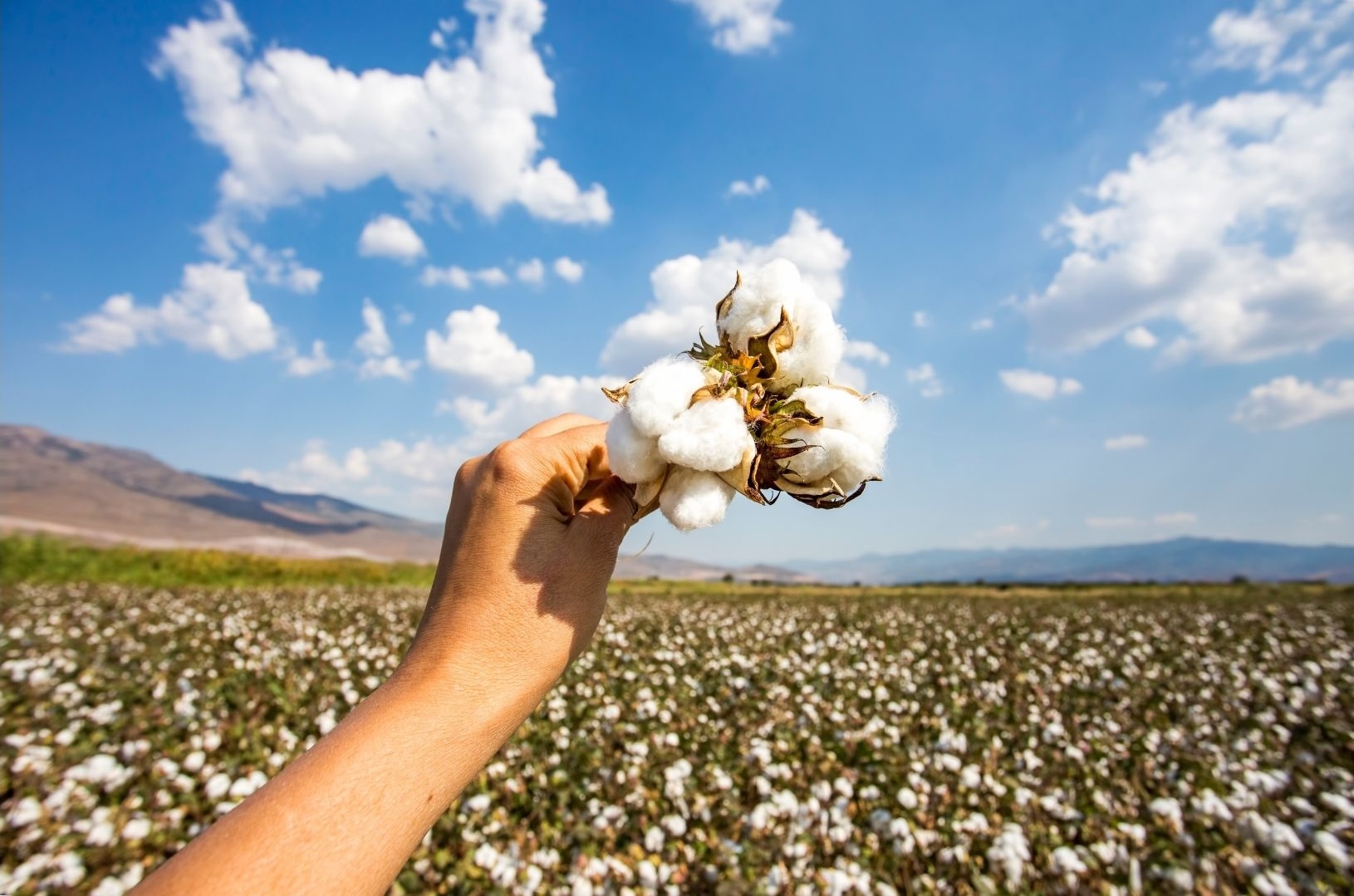
Cotton, often referred to as “white gold” due to both its economic value and its colour, has been used as a natural fiber for thousands of years. Thanks to its breathable and moisture-absorbing properties, it is widely preferred across applications ranging from home textiles to apparel. However, this “white gold,” commonly perceived as natural and good, also comes with certain disadvantages.
According to the United Nations Environment Programme (UNEP), cotton cultivation—accounting for 2.5% of the world’s arable land—consumes approximately 200,000 tons of pesticides and 8 million tons of fertilizers annually. Cotton production also requires intensive water use. The World Wildlife Fund (WWF) estimates that producing a single cotton T-shirt requires around 2,700 liters of water. One of the most striking examples of this water consumption is the Aral Sea. Once known as the world’s fourth-largest lake, the Aral Sea lost approximately 90% of its volume by the 2000s following large-scale cotton irrigation projects initiated by the Soviet Union in the 1960s. This led to severe ecological and social consequences, including health problems among local populations caused by dust storms rising from the exposed lakebed. In other words, cotton may not be as innocent a fiber as we tend to think. While it can be considered inherently “good,” it can become harmful through the way it is produced.
With this awareness, various initiatives are taking on a significant and transformative role by working toward “Better Cotton.” The most prominent and comprehensive global initiative in this field is the Better Cotton Initiative (BCI). As a sustainability program, BCI focuses on training farming communities to produce cotton in ways that deliver improvements for everyone and everything connected to cotton fiber. It brings together more than 2,500 members across the value chain, including farmers, ginners, spinners, suppliers, manufacturers, brands, retailers, civil society organizations, donors, and governments. Today, 1.39 million farmers across 15 countries are licensed to sell their cotton as BCI Cotton, and the program has reached approximately 4 million people whose livelihoods are connected to cotton production.
An important example from Türkiye is the Better Cotton Practices Association (IPUD), established in 2013. Embracing a more sustainable approach to cotton production, the association works to identify and support local partners responsible for implementing the Better Cotton Standard, while also improving their capacity to deliver services to farmers through training. In addition, it carries out various activities such as field-level monitoring and data collection.
Plastic: a miracle of modern chemistry or a curse?
If we were to list the indispensable elements of the modern world, plastic would undoubtedly rank near the top. Used across nearly every industry—from healthcare and cosmetics to fashion, transportation, and electronics—plastic significantly accelerated the pace and direction of mass production, particularly from the 1960s onward, becoming a cornerstone of the single-use culture. It seems appealing at first glance. Abundance has increased. We have access to food and beverages packaged in countless plastic containers. Nearly everyone can access stylish and affordable clothing. Low-cost, lightweight, portable, durable… From this perspective, plastic appears highly advantageous. We can even recycle and reuse it—at least in theory. So what, then, is the issue with plastic? Is it simply that it is synthetic? But pharmaceuticals are also synthetic—and they heal us. Clearly, something more is at play.
How “sustainable” can plastic really be?
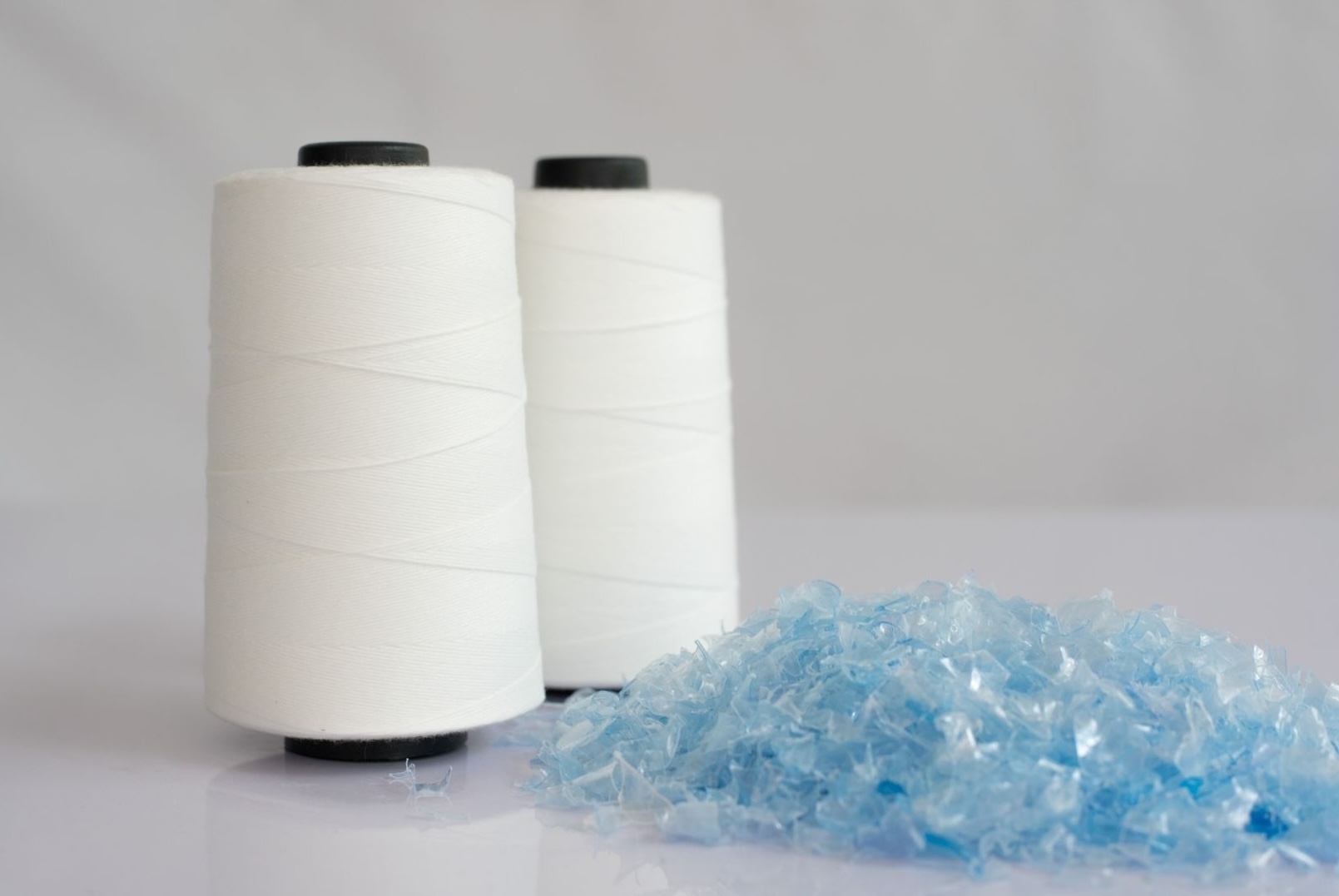
Many textile and apparel brands openly claim that they contribute to sustainability by using rPET in their products or by investing directly in PET recycling facilities. From a certain perspective, this claim is not entirely unfounded: recycling existing plastic is more sustainable than producing new material from scratch. At first glance, this reasoning appears logical and compelling. However, when we broaden the frame, a more complex picture begins to emerge.
First, it is important to understand why plastic is considered harmful to both environmental and human health. Of the roughly 16,000 chemicals found in plastics, we have no information about around 40%, while most of the remainder are known to be endocrine disruptors, carcinogens, or otherwise harmful substances. In effect, we carry these materials—whose risks are known and whose full impact remains uncertain—on our bodies almost 24/7, in the form of hats, underwear, clothing, and socks. Moreover, these chemicals enter water systems and soil not only during production but also during washing and ultimately at the end of their lifecycle. In short, we continuously reintroduce these substances into the environment. When we also consider that new PET production continues unabated and that plastics cannot be recycled indefinitely (typically only once, or at most a few times), the initial sustainability claim begins to lose its foundation.
Last year, I conducted an interview on plastics with Prof. Dr. Sedat Gündoğdu from the Department of Basic Sciences at Çukurova University’s Faculty of Fisheries. He shared two striking findings. First, one out of every two microplastics they examined was a microfiber—meaning polyester, acrylic, or nylon. This suggests that, in simple terms, the textile industry alone is responsible for roughly half of microplastic pollution. Second, fabrics made from recycled plastic release more microfibers than those made from virgin plastic. In light of this, what appears to be a well-intentioned recycling effort can, in fact, create additional problems. Breaking down the threat into particles too small to see may make it even harder to manage in the future. Ultimately, the issue is not simply polyester versus cotton, but the broader system of production and consumption itself.
If recycling plastic is not enough and using it directly is problematic, what should we do?
If the goal is to generate solutions, it is essential to go beyond critique and diagnosis. Otherwise, such discussions remain abstract. At this point, it is useful to recall the 3R principle. As a foundational framework for sustainable waste management, it emphasizes a specific order of action: Reduce, Reuse, Recycle. The key word here is “in that order.” In other words, the primary step is reduction.
However, the global polyester fiber market—valued at USD 82.07 billion in 2025—is projected to grow to USD 87.4 billion in 2026 and reach USD 148.11 billion by 2034. This clearly indicates that while efforts are being made to reduce water, energy, and chemical use in textile and apparel production, the same level of commitment is not evident when it comes to plastic use—despite its well-documented and potential harms. On the contrary, its use is expected to increase. So what is driving this growth?
The reality is that polyester remains a preferred material due to its lower cost. This characteristic inevitably positions it as a core component of fast fashion. And once again, we arrive at the same point: fast fashion itself—the system and its underlying dynamics. In systemic transformations, responsibility does not rest solely with brands, suppliers, or consumers. What matters is establishing priorities for all stakeholders involved.
For a brand, is the priority profit? Undoubtedly. For the consumer, is it obtaining a product at the lowest possible price? Certainly—especially in light of ongoing economic fluctuations both in Türkiye and globally. Yet the fact remains that these poorly understood chemicals—spreading from our clothes into water, then into what we eat and drink, and ultimately into our bodies, even reaching the brain and a baby’s placenta—pose a threat to both human and environmental health. This raises a fundamental question: is our priority simply survival, or is it to live well? It seems that, as human beings—regardless of whether we are producers or consumers—we must first answer this question.
In a world where attention is easily distracted and where values and principles are often set aside depending on the situation, acting in line with our answer to this question inevitably contributes to transformation. Choosing to have two blouses made from hemp, linen, or better cotton instead of ten polyester ones; developing alternatives for applications where polyester remains indispensable due to its properties; and creating the economic and policy frameworks necessary to make these alternatives viable… Indeed, there are already various initiatives working on alternatives and reducing plastic use, such as Textile Exchange, Fashion for Good, Break Free From Plastic, and Rethink Plastic.
In summary, the current fast fashion—and even ultra-fast fashion—model, by its very nature, leaves little room for the first step of the 3R principle: reduction. There appears to be no realistic solution other than collectively rolling up our sleeves and rethinking textiles—first by reducing, then by reusing, and finally by recycling.
Moving beyond simplistic labels of “good” and “bad,” questioning what we use, why we use it, and how we use it—and repeatedly recalling our answer to the question above when making decisions—will help us stay aligned with our ultimate goal. As we conclude the second article in this series, let us end once again with the same question: Is our priority merely to survive, or to live well?
