

Sparxell, known as the world’s first 100% plant-based, high-performance, biodegradable colour platform, is featured in the Netflix’s latest movie, The Plastic Detox, as a solution to traditional dyeing as fashion’s ‘most toxic’ step. The company tackles one of the most overlooked drivers of plastic and chemicals’ impact on human health: the toxic chemistry hidden in colour.
Colour is a largely overlooked source of chemical exposure similar to those found in plastics. The film highlights designers attempting to remove toxic dyes and plastic-based fibres from their supply chains. Sparxell is already providing a commercial alternative built to replace these systems at scale.
Across fashion, beauty, packaging and coatings, most colour still relies on petrochemical dyes, mined minerals and plastic-based pigments. Azo dyes, which account for around 70% of the global dye market, present further risk. Several are restricted under EU law due to links with carcinogenic compounds, and their residues can bind to microplastic particles, move through waterways and accumulate in living tissue. Plastic-based colour formats such as glitter and sequins are typically made from PET film. One study found they accounted for nearly 24% of the microplastics detected in certain wastewater samples, making them a direct and persistent source of microplastic pollution.
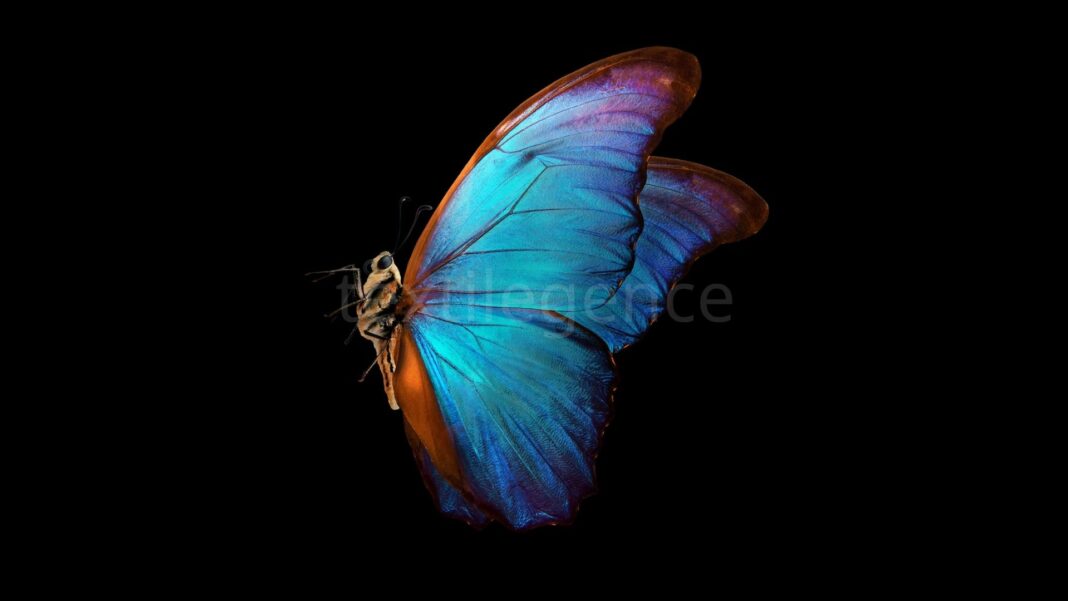
Blue inspired from wings of butterfly
The morpho butterfly produces its brilliant blue not through pigment but through the microscopic structure of its wings. Sparxell applies the same principle, engineering cellulose, the natural material found in plant cell walls, to manipulate light directly. The result is a vibrant pigment that is fully plant-based, biodegradable, plastic-free and capable of cutting water use by up to 90% compared to conventional dyeing.
The technology is already in commercial use, with more than 25 pilots and partnerships underway with global brands across fashion, beauty, packaging and automotive.
Sparxell created the world’s first fashion pieces coloured using structural colour with designer Patrick McDowell last year and launched the world’s first commercially available plant-based structural colour ink in partnership with textile company Positive Materials, now available for commercial order.
Having recently raised $5 million in Pre-Series A funding, Sparxell, which is also backed by LVMH, is moving to tonne-scale production in 2026 to meet growing demand from global fashion, beauty and automotive brands. Major commercial partnerships are expected to be announced later this year.
Dr Benjamin Droguet, Founder and CEO of Sparxell, said: “Nobody asks what makes a product blue or red. Colour in everyday products, from the food we consume to the clothes we wear, is often taken for granted. But behind every shade is a chemistry that can persist in the environment and accumulate in the body. That invisibility is exactly the problem. We now know microplastics are turning up throughout the human body: in blood, placentas and brain tissue.
The materials used to create colour are part of that story. Nature developed this colour solution over millions of years. That is why, at Sparxell, we have created the world’s first 100% plant-based colour platform: colour that is vibrant, high-performing and safe.”
Netflix’s latest movie, The Plastic Detox, released today and explores how everyday exposure to microplastics and associated chemicals may be linked to fertility decline, hormonal disruption and long-term health risks.
