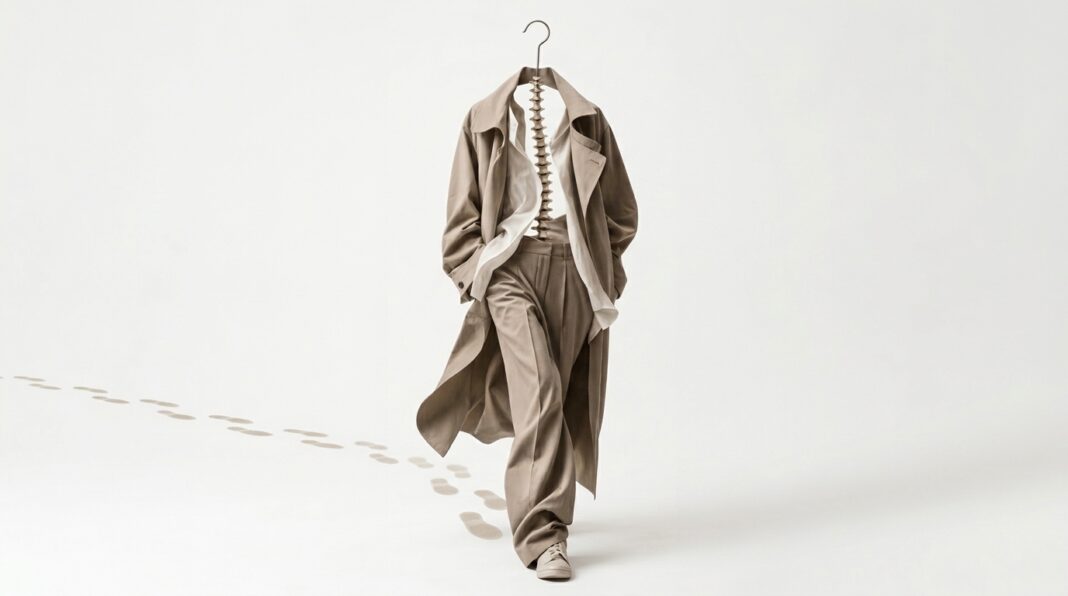


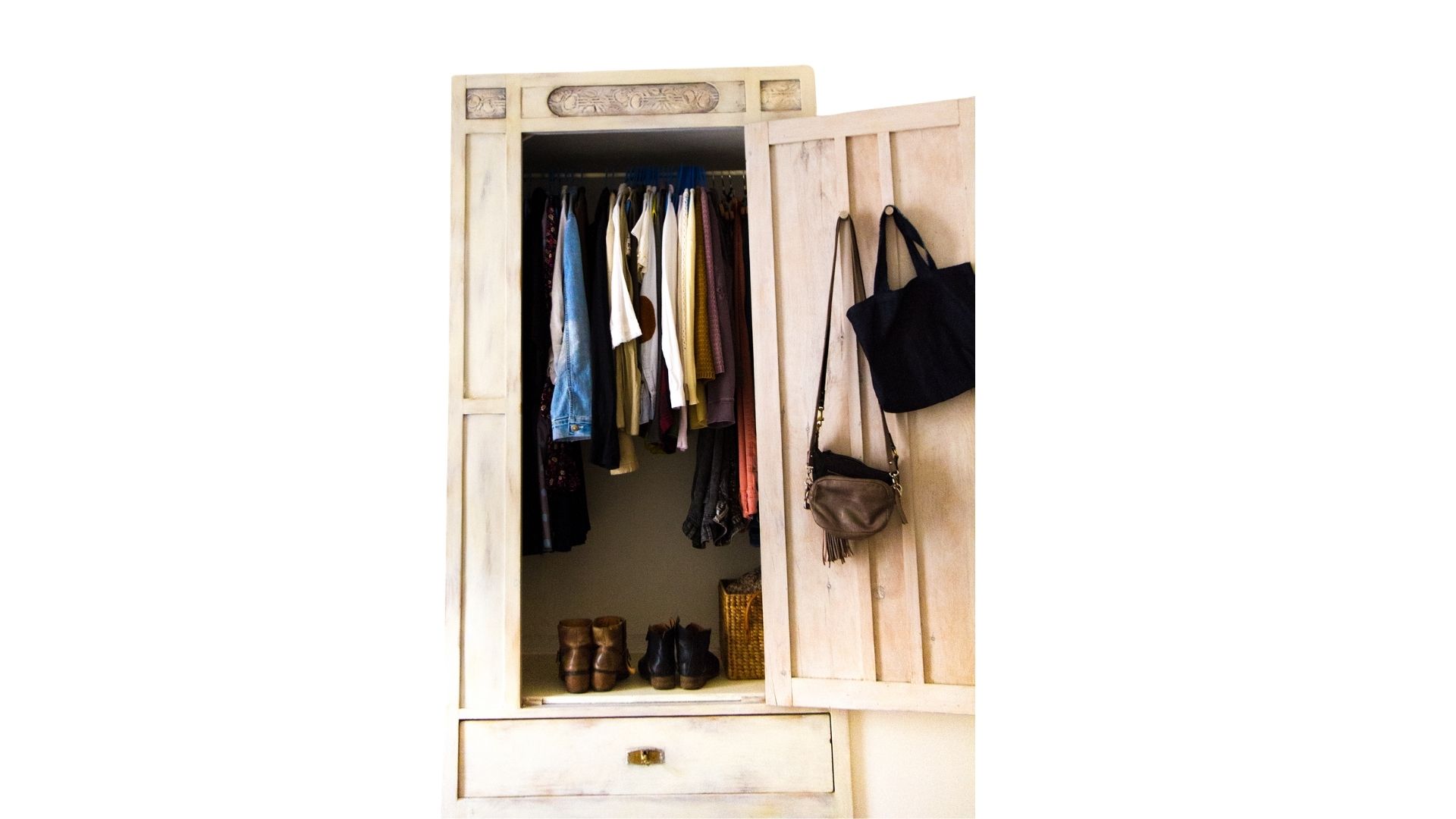
How many people live in a wardrobe?
When we open a wardrobe, we see only clothes: shirts, trousers, dresses, coats… Yet behind every piece lies a vast human network spanning design, production, raw materials, technology, logistics, and retail. The labuor of a worker, the vision of a designer, the machinery built by an engineer, the decision made by an executive, and the choice of the buying consumer are all interconnected parts of the very same network.
Thus, fashion’s subject, object, and primary premise is the human being.
So, where did this story begin, and where is it heading?
From the Producing Human to the Consuming Human
Before modern industry, people largely crafted their own clothing using tools and methods known for millennia. Garments were directly tied to necessity, effort, and time.
The Industrial Revolution reshaped this relationship. Factories emerged, textile machinery expanded production capacity, and mass-produced clothing reached the broader public. The human being shifted from someone who crafts clothes to a consumer who purchases them.
As global supply networks expanded, production accelerated, costs dropped, and access to clothing grew. Yet as production capacity surged, consumption became the system’s natural prerequisite. The gap between where things are made and where they are consumed widened progressively.
From the Consuming Human to the “Consumed” Human
For over 170,000 years, garments have served as far more than mere protection from the elements; they function as expressions of identity, status, belonging, and selfhood. Monarchs, nobles, soldiers, sailors, distinct peoples, and tribes marked their presence through signature styles.
Today, what we wear reflects not only “where we belong”, but “where we choose to belong”.
The endless choices marketed across social media and advertising give consumers the illusion that they can construct any identity and curate every choice independently. While this appears to offer immense freedom, it simultaneously imposes a constant pressure to choose, gradually consuming the individual.
More options do not automatically yield more freedom. Trapped in the same cycle as choices multiply, decision-making becomes exhausting; rather than finding liberation, the consumer is constrained by a relentless mandate to select.
New collections and shifting trends keep this dynamic alive.
Fashion perpetually reinvents itself, promising to rebirth individuals from their ashes.
Produce faster, sell more, buy more often.
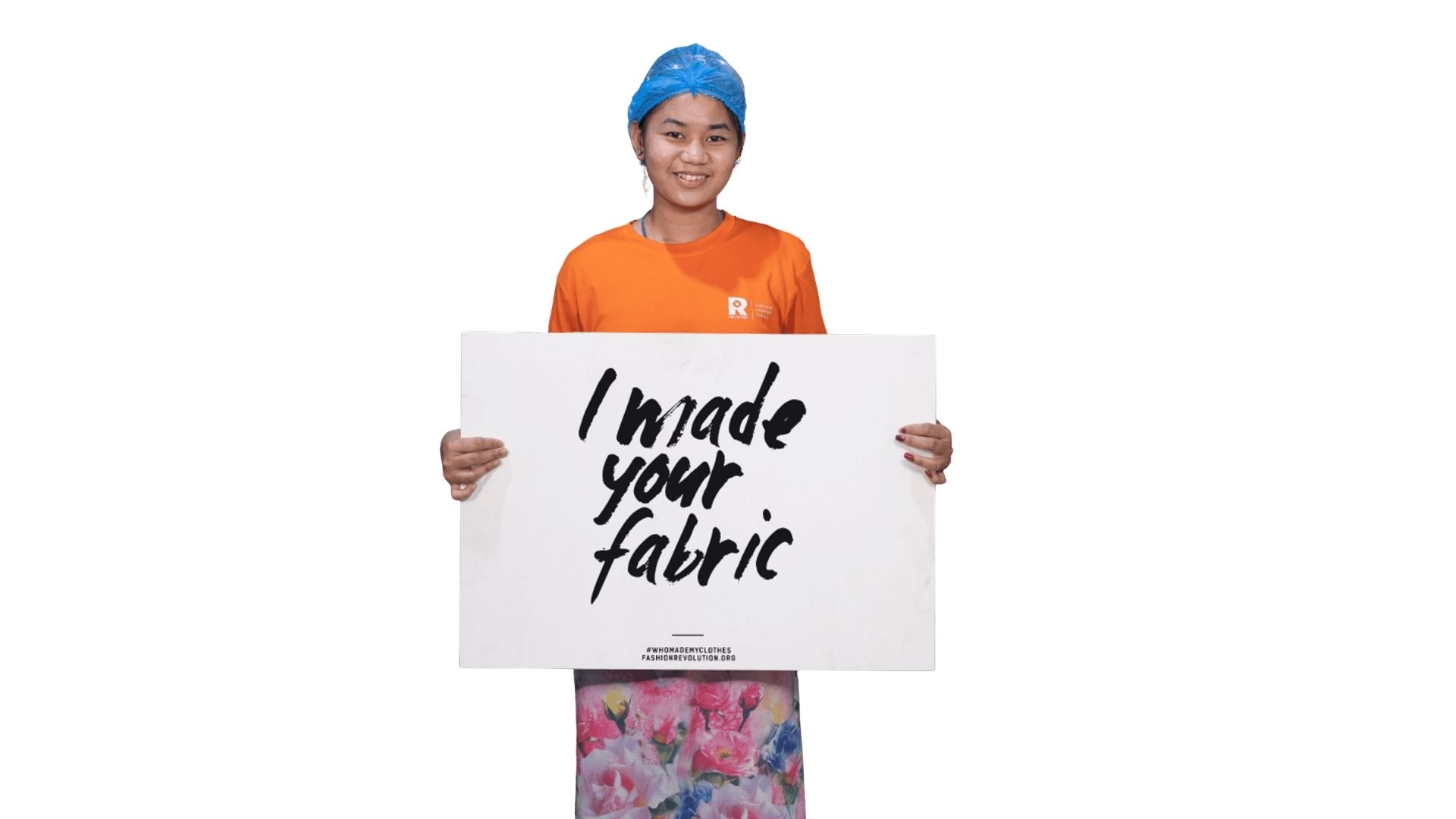
At the current intersection of global trade networks and textile technologies, the disconnect between production and consumption is wider than ever. Movements led by civil society organizations and campaigns like “I made your clothes” attempt to bridge this gap by revealing the realities of production to the consumer.
On the production side, the systemic issue deepens when the human element is reduced strictly to labour cost calculations. When a worker’s wages, hours, safety, and social rights are treated merely as balance-sheet line items, human value shrinks. The degradation of human life when pitted against labor power as a quantifiable commodity forms the fundamental contradiction of this system.
The Rana Plaza disaster—one of the deadliest industrial tragedies in history—remains one of its most tragic illustrations.
On 24 April 2013, the collapse of the Rana Plaza building in Bangladesh claimed at least 1,132 lives and injured over 2,500 people. The catastrophe forced working conditions in the global ready-to-wear supply chain onto the world agenda. The people working there were living in conditions where they would likely never afford the very clothes they made. This stood as a watershed moment, exposing the stark hypocrisy at the heart of fashion’s production and presentation.
Important shifts followed. According to International Accord data as of 30 June 2026, 1,762 factories and roughly 2.8 million workers in Bangladesh are integrated into the safety system. Across 75,198 factory inspections, the average progress rate in resolving identified safety hazards reached 81 percent.
These figures point to a significant transformation. However, the boundaries of social sustainability do not end at structural building safety.
Surviving one’s workday is not the same as earning enough to live a dignified life.
According to ILO data, while the minimum wage set for Bangladesh’s apparel sector in 2023 was 12,500 taka (113 USD) the calculated living wage for the apparel sector in Dhaka and its surrounding areas was 23,254 taka (211.90 USD) taka for the same period.
This highlights the importance of the ILO’s living wage approach, which accounts for the needs of workers’ families alongside their own. A worker’s reality does not end when they step outside the factory gates.
Beyond what meets the eye, entire families are directly impacted by this framework. The human rights violations hidden behind high-end garments displayed in the pristine stores of developed markets extend deep into the domestic lives of worker families.
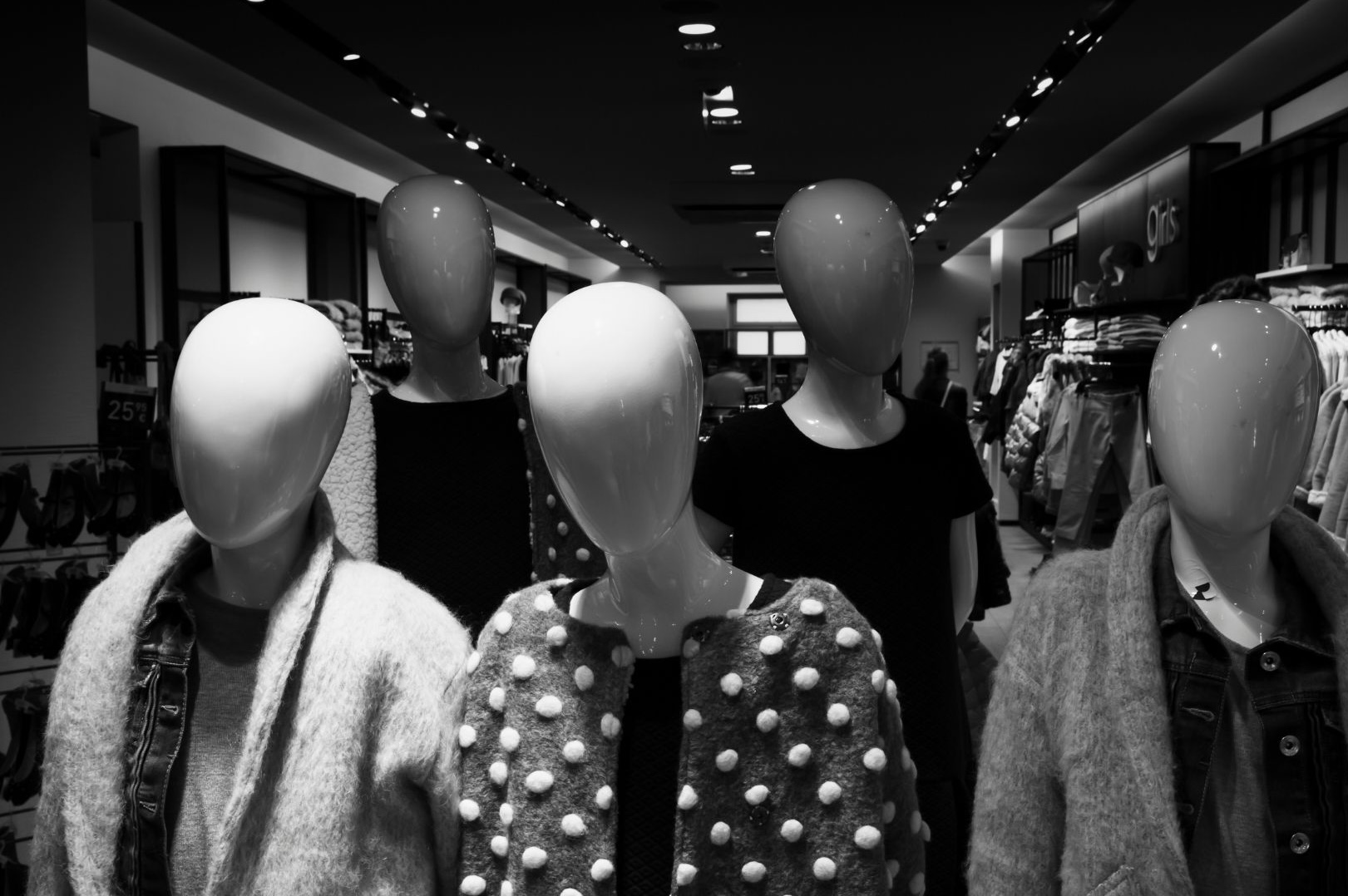
Existing in a market driven by constant consumption
Ignoring the consumer while analyzing the production worker creates an incomplete narrative. The consumer is equally bound to the system.
The slow fashion movement attempts to foster a different relationship based on reduced production, longer garment lifespans, and timeless design. Yet the main barrier to this model is not merely production costs; it is consumer expectation shaped over decades.
Selin Çalışkan Ergenç, founder of Ham Fabrics, highlighted this struggle during a seminar on the challenge of communicating slow fashion: “It was hard to convince the customer; the customer wants to buy constantly.”
This single observation captures slow fashion’s core contradiction with the prevailing system.
While a brand seeks to build a lasting relationship through fewer products, the consumer has been conditioned to expect and purchase a constant stream of novelty.
Furthermore, we cannot ignore the economic dimension of the sustainability debate.
A product made to last, crafted from better materials under fair working conditions, may not be affordable for everyone. In an environment where economic pressures dictate purchasing power, telling people to simply “buy more sustainably” is an unrealistic solution on its own—especially when sustainable items carry premium price tags and wearing the same outfit repeatedly has been normalized as a social faux pas.
In an economic system engineered to incentivize endless purchasing, how much responsibility can we genuinely demand from the individual consumer?
Is Fashion for Humans, or Are Humans for Fashion?
The pivotal question lies at the heart of the debate: Is Fashion for Humans, or Are Humans for Fashion?
Fashion naturally originates from human necessity: protection, warmth, mobility, work, and survival. Over time, garments layered aesthetics, identity, status, and self-expression atop these basic functions.
Yet looking at today’s fashion ecosystem, that hierarchy has inverted.
The system rarely starts from genuine human need; it starts from the product that can be sold. A new collection, a new trend, a new color, a new silhouette… The product must capture attention faster, look distinct, and sell immediately.
Human utility is systematically relegated to the background.
Designing a summer garment optimized for visual appeal rather than thermal comfort, encouraging the rapid disposal of short-lived items, or compromising worker safety to meet output deadlines may seem like separate issues, but they all lead back to the same inquiry:
Whom does this system truly serve?
People did not lose their lives at Rana Plaza simply because they worked in a compromised building. They died because production deadlines and delivery pressure were prioritized over structural safety. In short, while those individuals were producing for fashion, fashion had overstepped the boundary of existing for humanity.
Clothing exists to serve human needs—to protect us, keep us comfortable, and allow us to express ourselves. Humans do not exist to produce more goods, sell more volume, or consume at higher speeds.
This brings us back to the concept of the “consumed human.”
The individual becomes part of the system not just through physical labour, but through their time, attention, body, and capacity to consume. Workers struggle to keep up with production speed, manufacturers face relentless competitive pressure, and consumers are driven by the demand for constant novelty.
Workers are consumed by low wages and poor conditions; manufacturers by overheads, quality standards, profitability, and global rivalry; consumers by endless choice and trend fatigue.
So, who is actually consuming whom?
Is Human-Centric Fashion possible? Who will build Fair Fashion?
The responsibility does not rest solely on the manufacturer, the brand, the investor, the policymaker, or the consumer. All are nodes within the same network.
Yet progress in recent years proves this system can evolve. The inspection and remediation frameworks established in Bangladesh post-Rana Plaza offer concrete evidence. Within the European Union, human rights and labor conditions are increasingly integrated into supply chain compliance.
The EU regulation banning products made with forced labor from entering its market—enforceable from 14 December 2027—marks a crucial step forward. Corporate sustainability directives are similarly forcing companies to account for human rights and environmental impacts throughout their broader supply chains, not just within their immediate operations.
However, human-centric fashion cannot be built by regulatory compliance and audits alone.
It requires valuing a worker’s living wage and professional growth alongside their physical safety; designers prioritizing longevity over volume; technology developers balancing capacity with human effort and resource conservation; brands assessing supply chain integrity alongside sales metrics; and consumers evaluating not just what they buy, but why.
It is not merely a matter of producing more fairly; it requires cultivating an entirely new culture of clothing.
Since the opening article of this series on sustainability in the textile and apparel sector, we have posed three core questions:
How much should we produce?
With what materials should we produce?
How should we produce?
Now, we arrive at the central question:
For whom are we producing?
This question does not stand apart from the previous three; it underpins them all.
Determining production limits requires considering human needs; selecting raw materials requires safeguarding human health; developing technology requires honoring human labor; and discussing consumption requires understanding human behavior.
Returning to our original question—how many people live in a wardrobe?—we are not merely counting the workers behind a single garment.
Inside that closet stands the manufacturer, the designer, the engineer, the retail worker, the worker’s family, and the consumer. All share the same ecosystem.
Perhaps the core mandate of sustainability begins precisely here:
To stop treating the human being as a production input, a consumption target, or an instrument of economic growth.
When fashion exists for the human being, clothing retains utility, self-expression, and genuine value.
When the human being exists for fashion, it is no longer the clothing being consumed, but the human.
In other words, clothes no longer belong to people—people belong to their clothes.
Building a fair fashion ecosystem will require the collective effort of every stakeholder willing to shape a new system.
Other articles in the series:
Rethinking Textiles | 1 The limits of textile production: Sustainable Growth or Controlled Scaling?
