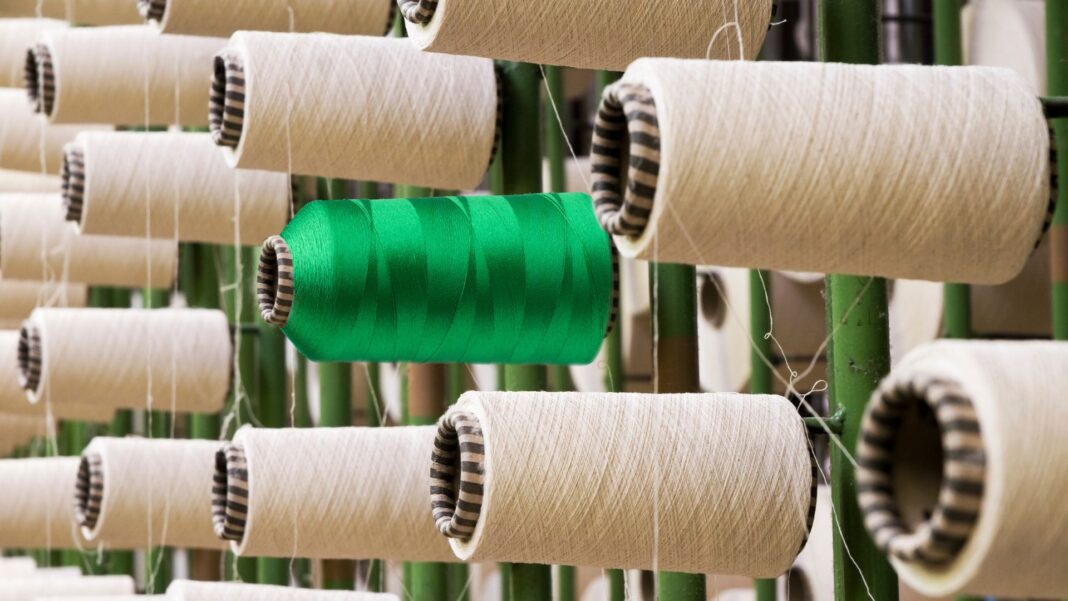


In the first article of our series, where we rethink the limits of production and consumption in the textile and fashion industry, we discuss controlled scaling.
The first United Nations Climate Change Conference – Conference of the Parties (COP) was held in Berlin, Germany, in March 1995 and this November, for the first time, Türkiye will host COP 31. While hosting COP 31 is important in terms of increasing international visibility, it also represents a significant opportunity to strengthen awareness around sustainability and circularity in Türkiye. With this in mind, we are launching a new editorial series in which we assess how current global economic and political developments are shaping the industry — and, in this context, “rethink the limits of production and consumption”.
The global economy is passing through a new threshold. The world order — initially bipolar and later unipolar following the Second World War — is being reshaped. Shifting political dynamics and growing protectionist tendencies in the United States, the European Union’s search for a new strategic direction, and China’s technology-driven transformation in line with its carbon-neutrality targets… Today, trade is no longer shaped solely by cost, but increasingly by geopolitical blocs and regulatory frameworks. In this period marked by uncertainty yet defined by structural transformation, the compass of industrial policy is also changing. The textile and apparel industry — one of the world’s largest manufacturing sectors — will not remain unaffected. Moreover, digitalisation and artificial intelligence, whose impact is already visible across the entire value chain from production to marketing, are creating a competitive advantage for those able to leverage them effectively — and a growing disadvantage for those who cannot.
Globally, between 80 and 150 billion garments are produced each year. A significant share of this output quickly becomes waste. Despite the existence of clothing volumes sufficient for generations, production continues to grow — not only as a function of the sector itself, but also as a consequence of an economic model built primarily on growth. Today, that model is increasingly and openly being questioned.
Is GDP alone a measure of prosperity?
The Limits to Growth report published in 1972 argued that infinite growth is impossible within finite resources. Half a century later, in 2019, the European Council adopted conclusions on the concept of a wellbeing economy, and in 2023 the “Beyond Growth” conference reopened the debate on whether Gross Domestic Product (GDP) alone can serve as a measure of prosperity. Alongside this, the concept of a “wellbeing economy,” which proposes a human- and planet-centred economic framework, has entered the European policy agenda.
For a major economic power such as the European Union to take steps in this direction can be seen as an important development in addressing both the climate crisis and social inequality. Beyond regulatory measures, the institutionalisation of a broader economic system debate signals that the rules of trade themselves may also evolve. Regardless of the potential influence of US political shifts on the pace of climate action, the sustainability-driven climate policies already legislated at EU level are opening the door to an irreversible new era.
Indeed, the increasing structuring of carbon regulation, corporate sustainability reporting, and supply chain due diligence across the EU is laying the groundwork for a transition toward a wellbeing economy. Competition is no longer defined solely by price; it is increasingly shaped by social justice, transparency, traceability, and regulatory compliance capacity. For industries and countries integrated with the EU market, this can be interpreted either as a “mandatory transformation” or as an opportunity to move toward a more resilient and equitable economic model.
While Europe’s newly opened “transparent” chapter is widely recognised as a global sustainability initiative, it is also the subject of criticism, being framed as a form of unfair competition due to the imposition of these requirements across external supply chains — particularly in relation to countries historically positioned within exploitative production structures. Undoubtedly, for this new era to fulfil its stated ambitions, the EU’s internal culture of pluralism must expand beyond its current boundaries and evolve into a genuinely global, multi-voiced framework. Achieving this requires confronting the realities behind the polished façades and the hidden back rooms of global supply chains.
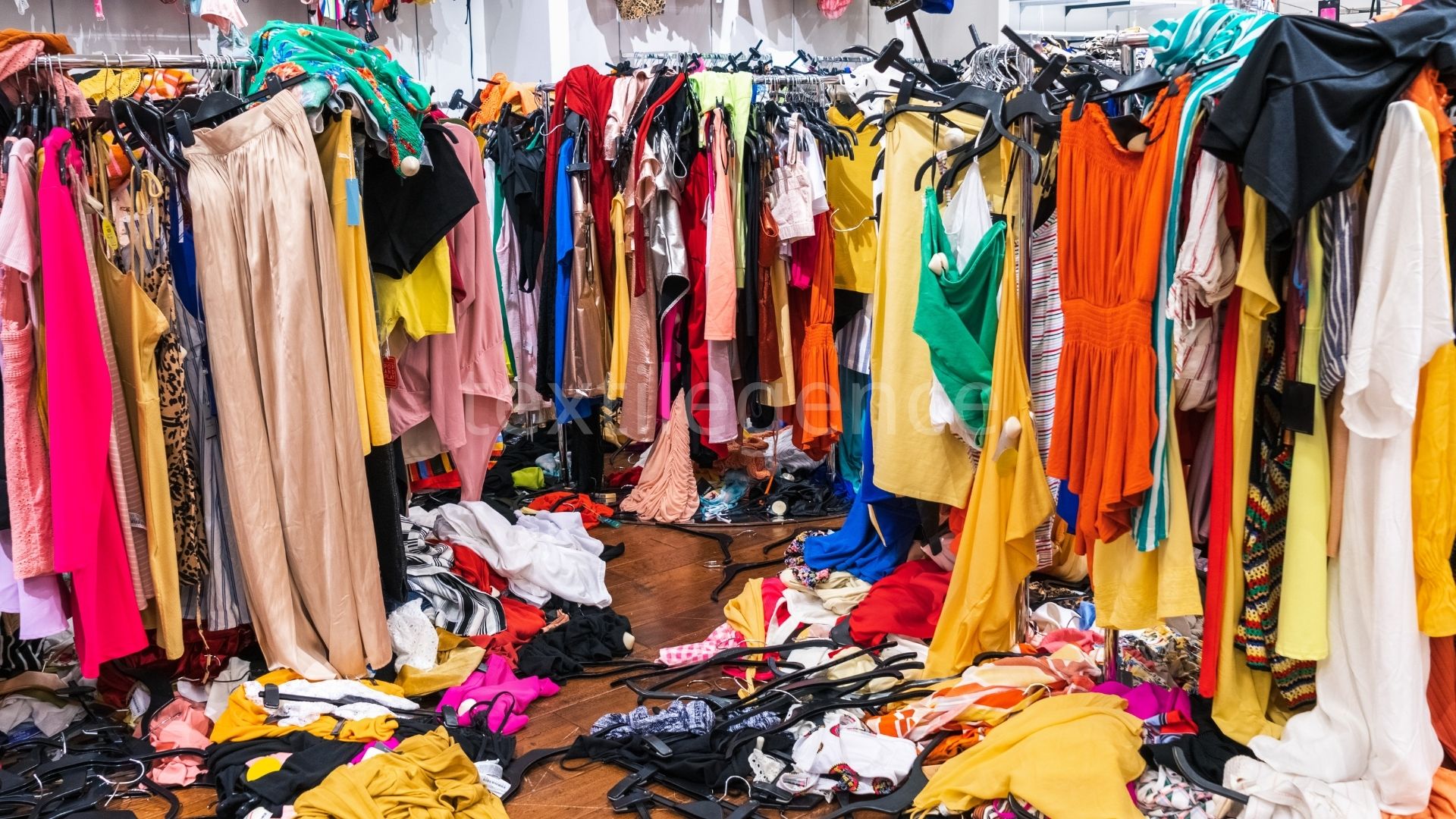
Where does fast fashion stand in this new order?
The fast fashion model, which has shaped the industry for the past 50 years, has been built on low labour costs and high production volumes. With the rise of e-commerce as a dominant retail channel, the system has evolved into one where some brands release more than 30 collections annually. Responsible for approximately 10% of global carbon emissions, the fashion industry stands in stark contrast to the emerging narrative of a human- and planet-centred economy.
Considering rising carbon costs, waste responsibility obligations, social compliance audits, and increasing financial pressures, the traditional profitability model based on speed and volume appears increasingly unsustainable in the long term.
Countries trading with the EU are now required to reshape their production processes in line with new requirements such as the Digital Product Passport, carbon footprint calculations, extended producer responsibility, and regulations aimed at eliminating forced labour and child labour. Within this framework, the low-cost production model on which fast fashion has relied is steadily eroding. Cheap raw materials, hazardous chemical use, and low wages are becoming both environmentally unsustainable and economically disadvantageous. As a result, a gradual transition from fast fashion toward slow fashion, more value-driven production models appears inevitable.
At the country level, textile industries will increasingly face a strategic choice: remain a low-margin link in global supply chains, or evolve into regional hubs for qualified, value-added production.
A sectoral perspective on growth debates: Controlled Scaling
In recent years, concepts such as “degrowth” and “post-growth” have challenged the assumption of limitless expansion. However, beyond theoretical debates on shrinking or alternative growth models, the core issue lies in how production scale is managed. In this context, the concept of “controlled scaling” can serve as a practical framework that bridges growth criticism with sectoral realities. Controlled scaling refers to planning production capacity not around constant expansion, but in alignment with regulatory realities, ecological limits, and long-term economic resilience. The essential question is not whether to grow or shrink, but how to manage scale consciously to sustain viable business models over time.
We are entering a period in which volume growth alone is no longer seen as the sole indicator of success. While brands still track growth metrics closely, an increasing number of companies are recognising that value-added production and technological investment are equally critical — and are beginning to adjust their strategies accordingly.
Where does Türkiye stand in this landscape?
For many years, Türkiye competed primarily on speed and cost advantage. However, factory closures under price pressure and the relocation of production to lower-cost markets such as Egypt highlight the limits of this model. The current situation clearly demonstrates that without value-added production and structural transformation, the sector will remain vulnerable. Industry professionals consistently emphasise the need for technological investment and higher-value production strategies.
The deeply interconnected nature of global supply chains makes rapid change difficult in the short term. Yet genuinely embracing the principles embedded in EU regulations — rather than treating them solely as compliance requirements — is likely to deliver both economic and societal benefits over the long term.
The critical question is whether Türkiye will view this global transformation as an external pressure or as an opportunity to redefine its industrial strategy — and perhaps even its broader concept of social prosperity. The answer may also determine whether the country can escape the middle-income trap and move toward a higher-income economic structure.
Is a wellbeing economy possible in a production- and export-driven country?
Beyond sectoral transformation, the concept of a wellbeing economy deserves particular attention. National economic and political frameworks exert a binding influence on industries both domestically and internationally.
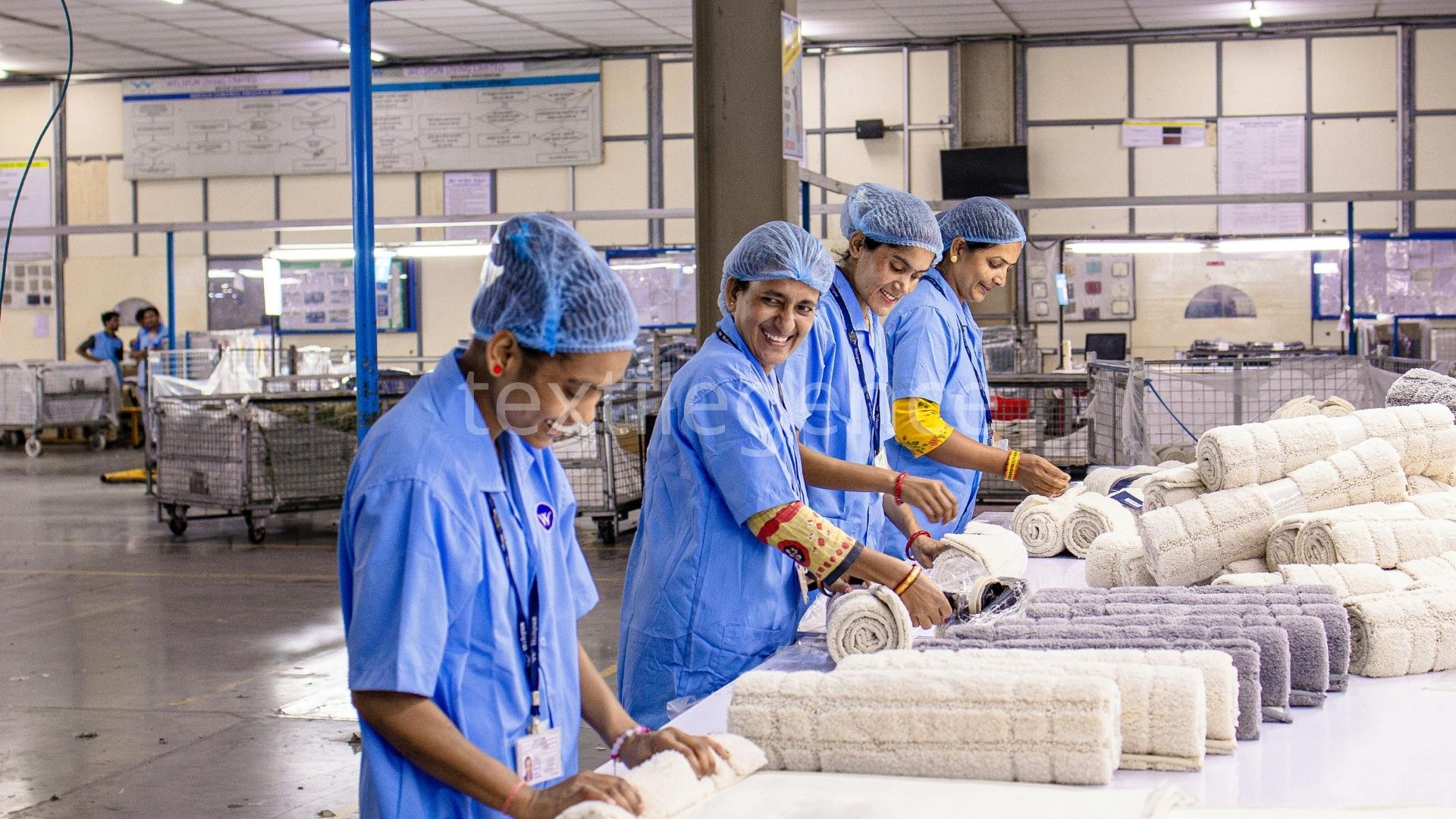
Rather than an abstract ideal, a wellbeing economy represents a process of systemic restructuring and redefinition — something history has repeatedly demonstrated during periods of transformation. At the heart of this shift lies a fundamental question: how do we define the human role within production? If labour is treated solely as a cost item, competition inevitably centres on wage pressure. However, when people are positioned as a core value within production, the entire framework changes. Defining blue-collar workers as “unskilled labour” and maintaining low wage structures devalues not only labour itself but also production quality and future competitiveness. A production model centred on human capability and planetary boundaries requires a workforce equipped with technical knowledge, professional competence, and production intelligence.
In this context, the quality of vocational education becomes a strategic priority. Collaborations between organised industrial zones and educational institutions — examples of which already exist in Türkiye — are essential for developing technologically skilled and technically proficient textile workers. Rather than competing solely on producing the same T-shirt at a lower cost, shifting toward technical textiles, recycled materials, and functional fabrics can drive a qualitative transformation in production structures.
New crises, new opportunities: a reshaping historical moment
We are living through one of the transitional periods that we read in history books. As participants in this era, we are actively shaping the narrative of the 21st century. The economic system that once thrived on the momentum of industrial expansion — often pushing both human and environmental limits — is now undergoing an unavoidable transformation.
Today, the advantage of cheap labour is already weakening under the pressure of regulation and rising costs. If Türkiye uses this transition as a springboard toward producing less but creating greater value, it could build a more resilient structure not only within the sector but across society as a whole. The textile industry — once the defining sector of the 19th century — has the potential to establish a new paradigm for the 21st century through technological advancement and human expertise. There is no compelling reason why the Turkish textile industry should not be among the leading actors in this transformation.
Ideals are always tested against reality, yet this does not mean that well-designed concepts cannot be realised. Rather, it suggests that they take shape through adaptation to real-world conditions. If the wellbeing economy is adopted as a strategic objective at the sectoral level, production can be rebuilt on a strong and balanced foundation — one that integrates environmental, economic, and social pillars into a more sustainable and resilient future.
Click here for the second article in the series.
