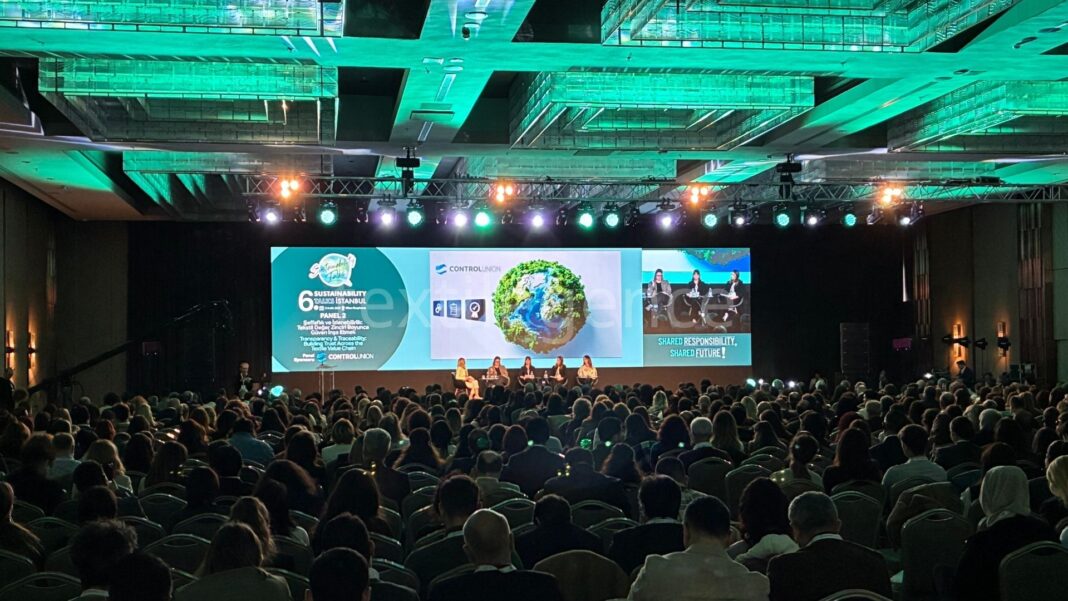


Held for the first time this year at Hilton Istanbul Bosphorus, Sustainability Talks Istanbul continued to serve as a key global meeting point on the transformation journey of the textile and fashion industries. Organized on December 9 through the collaboration of The Orbit Consulting and Kipas Textiles, with the strategic partnership of the Istanbul Textile and Raw Materials Exporters’ Association (İTHİB) and the corporate partnership of Aster Textile, the 6th Sustainability Talks Istanbul welcomed more than 1,000 participants with a full-day, content-rich program.
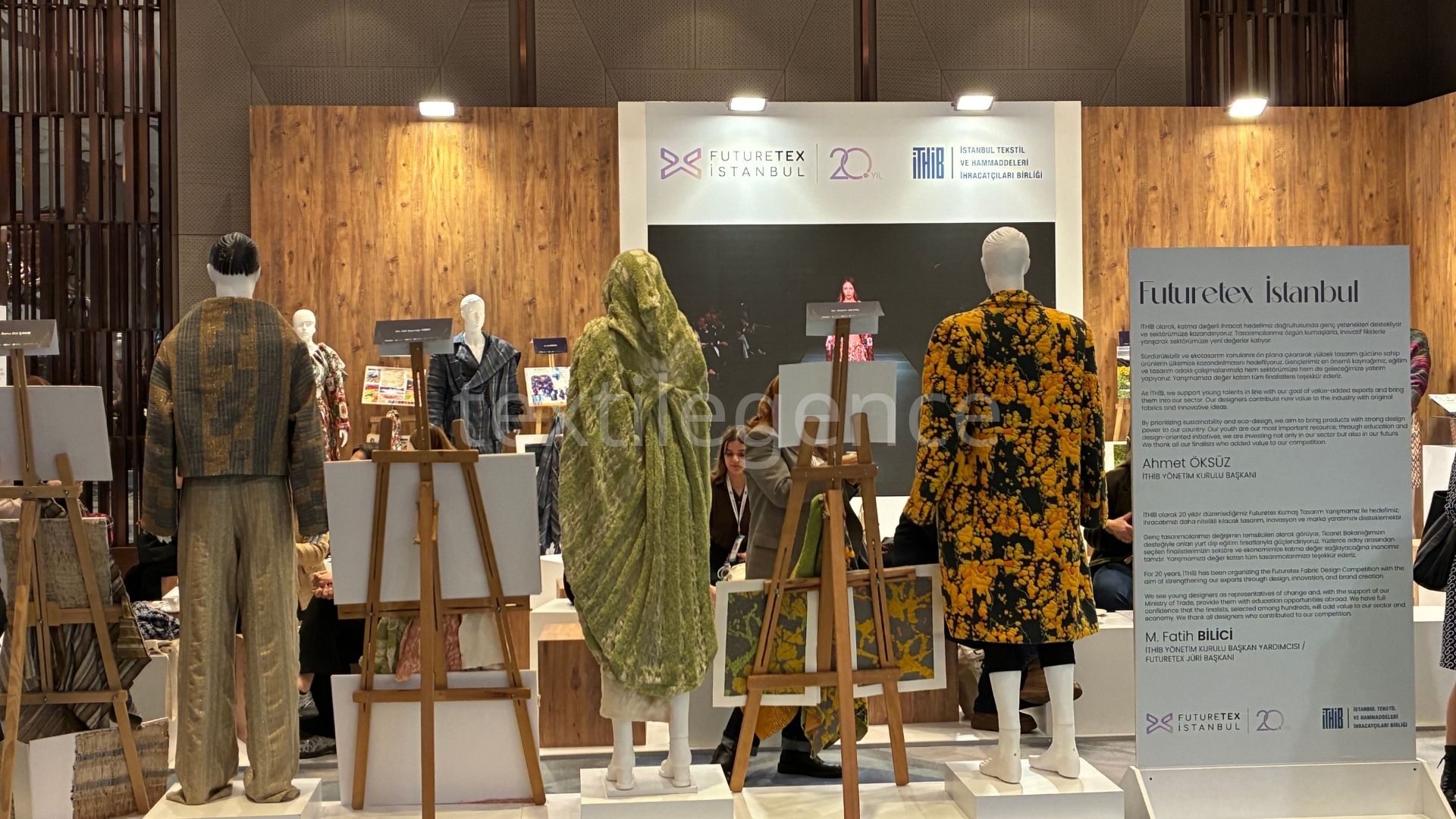
As Türkiye prepares to host the COP31 (Conference of the Parties) in 2026, the event shed light on the transformation of both the country and the industry under the theme “Shared Responsibility, Shared Future.” Moderated by Ceylan Saner, the program featured keynote speeches and panel discussions addressing critical issues in sustainable textile and fashion. A total of 45 speakers from Türkiye and around the world shared strategic insights and inspiring perspectives. The foyer area, hosting 36 exhibition stands, facilitated significant business meetings, while the FutureTex Interaction Area stood out with designs reflecting the vision of sustainable fashion and textiles.
Panel sessions held during the event included the following topics:
Leaders Driving Transformation: CEO & Industry Perspectives on the Future of Sustainable Fashion
Transparency and Traceability: Building Trust Across the Textile Value Chain
Closing the Loop Together: Textile-to-Textile Recycling
Shared Pathways to Net Zero: Decarbonization in the Textile Value Chain
Strategic Transformation in Sustainable Fashion and Textiles
“Growing is no longer enough, we must grow sustainably”
Drawing attention to the leadership role and global responsibilities of the textile industry in the sustainable transformation, Ahmet Öksüz, Chair of the Istanbul Textile and Raw Materials Exporters’ Association (İTHİB), stated: “Each year, 92 million tons of textile waste are generated globally, and 85 percent of this ends up in landfills. The textile industry accounts for 20 percent of global wastewater, while 10 percent of microplastics in our oceans originate from the textile ecosystem. This picture tells us one thing clearly: growing is no longer enough, we must grow sustainably.”
Emphasizing that 2025 is a year in which nature is no longer silent about environmental processes, Öksüz noted that extreme weather events and diminishing resources are forcing all industries to redefine their roadmaps. Stressing that no sector can continue with old habits, he added: “At this very point, the Turkish textile industry steps onto the stage as a driving force of change. We are no longer just a manufacturing industry; we have become one that designs the transformation itself. By combining our traditional production heritage with innovation and environmental awareness, we are not only keeping pace with transformation, we are shaping it.”
