



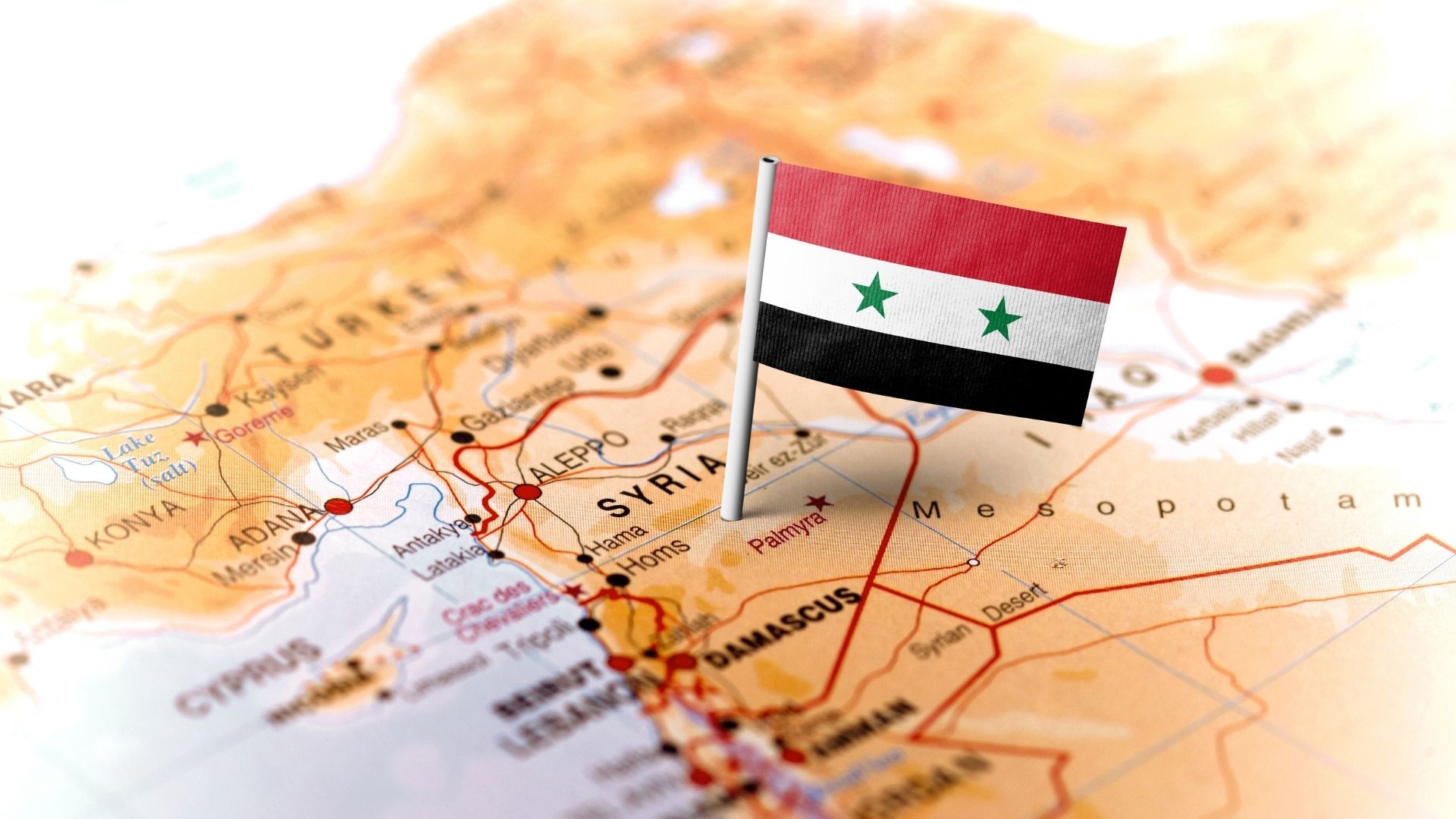

The end of the Baath regime and the subsequent reshaping of the regional political landscape have kicked off a new era for the Turkish textile and apparel sector just beyond the border.
Facing high production and labor costs at home, manufacturers looking to maintain their global competitiveness view Syria not merely as a “market,” but as a strategic “production base.”
So, what does the reality on the ground reveal? Here is the anatomy of the Turkish textile presence in Syria, backed by data:
First concrete step on the ground: LC Waikiki begins production in Aleppo
The first major example of transitioning from the “wait-and-see” phase to active investment came from LC Waikiki.
The renowned Turkish apparel brand officially launched production in the Al-Rai Industrial City in rural Aleppo with a workforce of 150 people.
The goal is to scale the workforce to 1,000 employees within three years and export output to both the Syrian domestic market and regional countries.
234 investment applications: Greenfield facilities or subcontracting?
According to a report by Yener Karadeniz from Ekonomim, 234 investment applications were submitted to Syrian authorities in the first half of this year. However, not all of these applications involve greenfield projects built from scratch.
The submissions primarily consist of leasing idle or damaged facilities, modernization projects, contract manufacturing agreements, and joint-venture models evaluated by companies like İsparko.
Meanwhile, Turkish machinery manufacturers such as Mersan and Tümkalıp are reportedly conducting talks for regional partnerships.
Why now? Geopolitical and economic groundwork
Following the collapse of the Baath regime when Bashar al-Assad fled to Russia in December 2024, industry officials noted that producing in Syria instead of Egypt would offer a massive advantage to Turkish firms. Others urged caution, suggesting it was better to wait for the dust to settle in Syria.
At this stage, several key developments are accelerating investments.
One major factor is cost pressure and the search for an alternative manufacturing hub. Faced with rising energy and labor expenses in Türkiye, Syria provides a low-cost “nearshoring” basin right at Türkiye’s doorstep. Furthermore, saturated capacity in Egypt and difficulties in sourcing skilled labor have played an influential role in this pivot.
Another key driver has been geopolitical and political stabilization in Syria. The integration of the SDF’s military wing into the Syrian State Army and the elimination of administrative ambiguities are reported to have reduced conflict risks along trade corridors.
The recognition of the new Syrian Transitional Government, led by President Ahmed al-Sharaa, as a legitimate authority by the majority of the international community and regional powers—including the EU and the US—along with the US removing Syria from its state sponsor of terrorism list, has further reinforced a climate of trust for investments.
Additionally, Ziraat Bank’s plan to open a branch in Syria by the end of the year is expected to streamline operations significantly for Turkish exporters and investors.
Challenges facing Turkish investors
While a restructuring Syria presents significant opportunities for the Turkish textile and apparel sector following the fall of the Baath regime, it also brings transition-phase challenges.
Financial processes reportedly face delays due to money transfers being funneled through a single bank, while customs bottlenecks and regulatory uncertainties negatively impact bilateral trade relations. On the flip side, Syria’s re-integration into global banking and credit systems in this new era continues to bolster potential trade and investment volumes.
Regulatory hurdles also create specific disadvantages. Issues remain regarding suitable land allocation and the re-entry of textile products processed in Syria back into Türkiye for export to foreign markets.
Commentators suggest that if Turkish textile investments—which were heavily concentrated in Aleppo prior to the Syrian civil war—can expand in scope and scale during this new era, it will decisively strengthen the Turkish textile industry’s position in terms of both production advantages and global market access.
Action taken for Syria’s “Green Transition”
While driven by cost-reduction goals, this shift inevitably brings sustainability and labor rights to the forefront.
On August 5, 2026, the International Labour Organization (ILO), in partnership with Syria’s Ministry of Social Affairs and Labour and Ministry of Energy, officially launched a policy dialogue in Damascus aimed at guiding the country toward a greener, more inclusive, and just economy.
Although the ILO’s green transition push is a promising step, establishing clear compliance with the EU Green Deal for local facilities remains a top priority for Turkish manufacturers exporting to Western brands.