



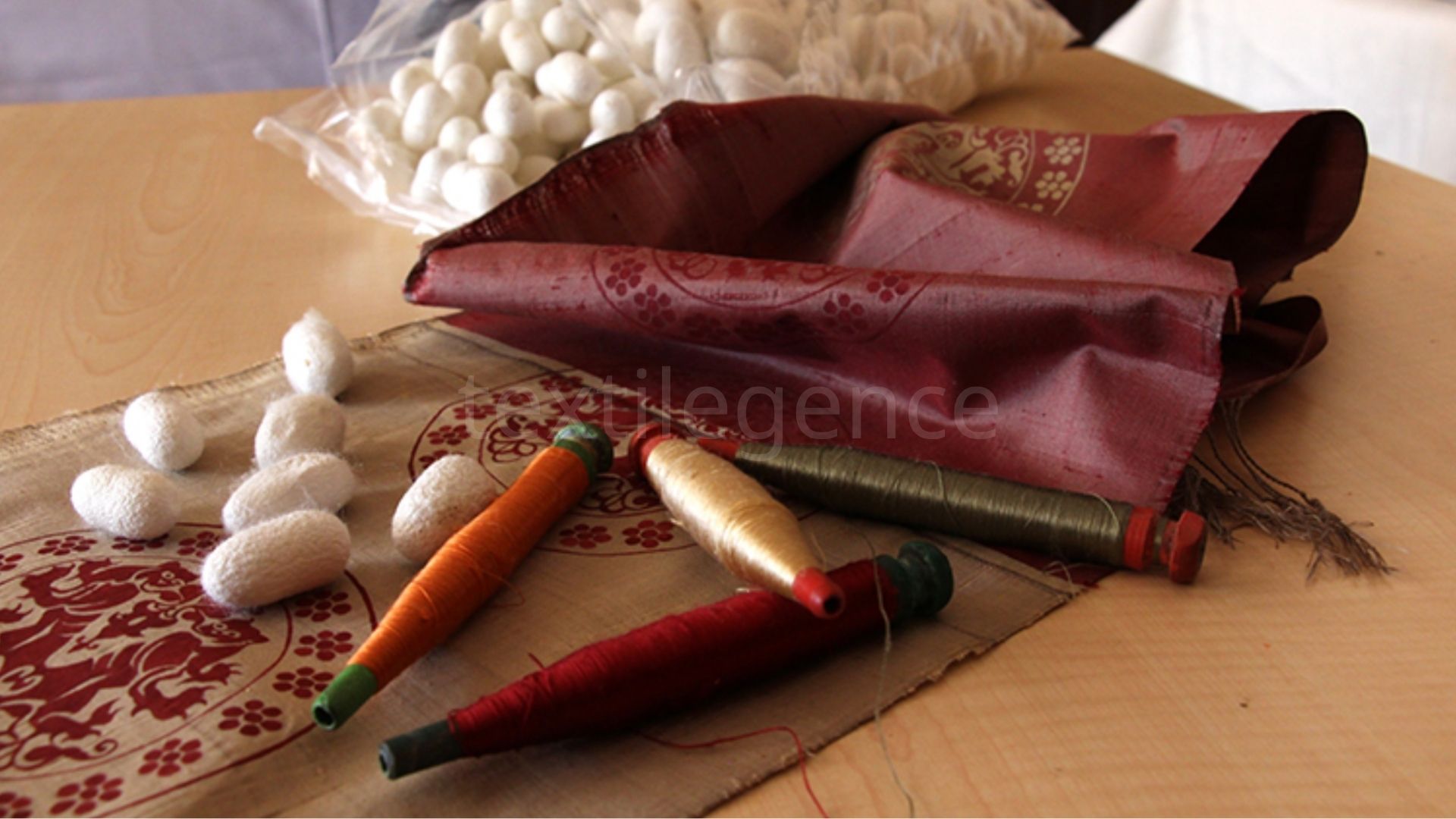

The Antalya Maturation Institute has launched a research project on Seljuk-era silk weaving, aiming to carry forward a textile tradition dating back to the reign of Alaeddin Keykubad I to future generations. As part of the study, which lasted approximately five years, Seljuk fabrics held in private collections and museums were meticulously examined. Among works that had been lost or deteriorated over the centuries, 17 different fabrics were identified, and pattern analysis and dating studies have been completed for nine of them. The institute has also applied for design registration and has begun reproducing these 800-year-old heritage textiles.
Pattern development completed for nine Seljuk fabrics
Speaking to AA, Emine Erkal, Director of the Antalya Maturation Institute, stated that they had initiated a significant project to carry the aesthetic heritage of Seljuk weaving into the future through a contemporary design approach. Emphasizing that a professional research team conducted the work with great precision, Erkal noted that the process began with pattern research, followed by efforts to translate these patterns into woven fabrics.
Erkal also stated that a team of 13 experts is involved in the project: “Today, there are very few examples of Seljuk textiles remaining in the world. Over the centuries, many have been lost or are at risk of disappearing. Some are held in private collections and museums. We compiled all available examples, carried out pattern analyses, and brought them back to life.”
She also underlined that Seljuk Sultan Alaeddin Keykubad I placed great importance on the Antalya region, which is why many palace textiles were produced there.
Garments and designs suitable for everyday wear
Highlighting that these textiles have been brought back into the spotlight, Erkal said: “We will introduce specially designed garments and products that can be worn in everyday life with pride. In a way, we are bringing an 800-year-old tradition into today. Design registrations have been secured for each piece. Our research team has carried out an extensive study. We identified around 17 fabrics, but only nine have undergone pattern development and dating so far. Our work on the remaining ones is ongoing.”