



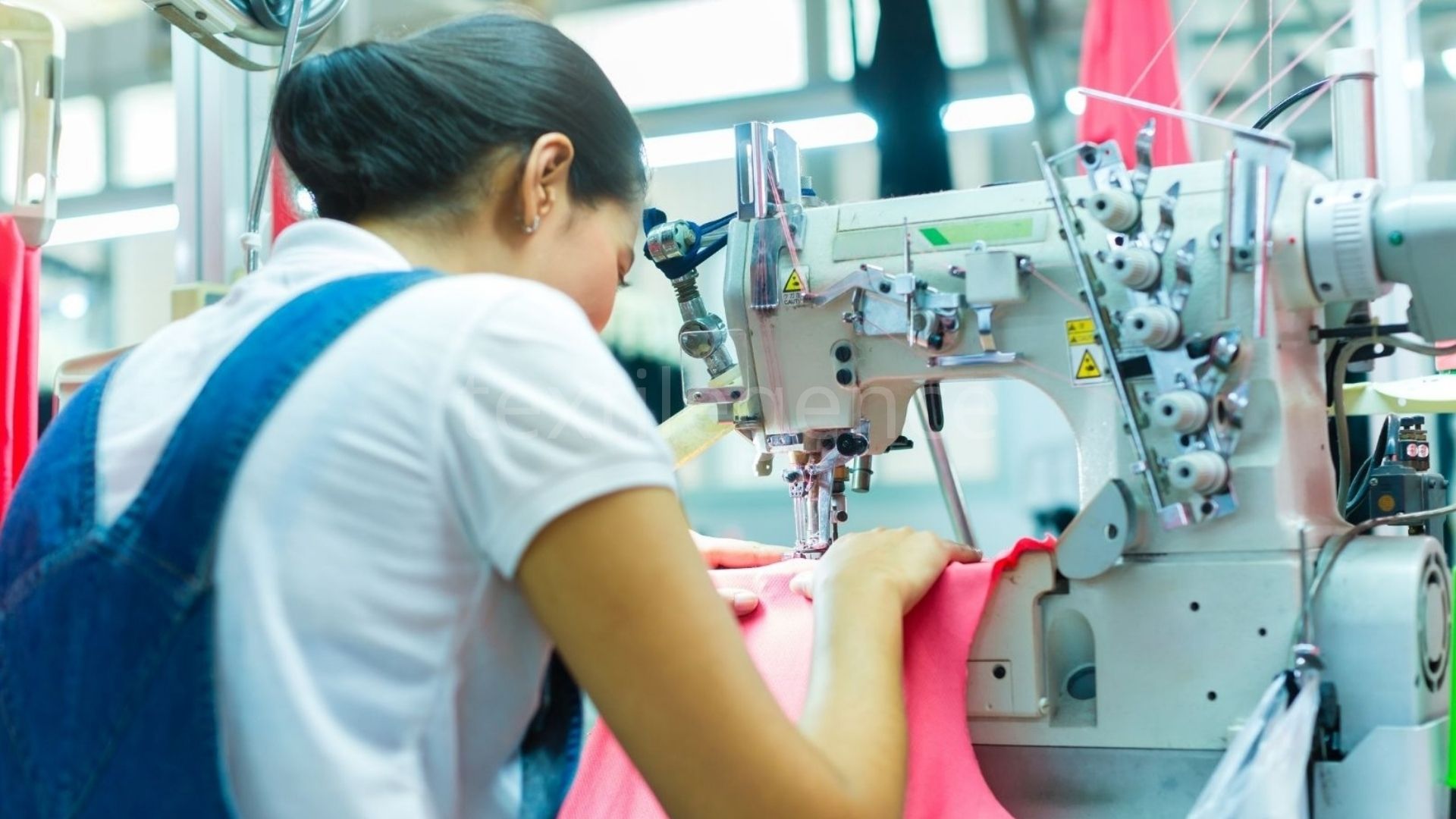

In Türkiye, the textile industry is among the labor-intensive industries that employ the highest number of women. While International Women’s Day, celebrated globally every year on March 8, reminds us of the social value of women’s labor, it also prompts us to re-examine today’s societal perspective on women.
Approximately half of the total workforce in the textile, apparel, and leather sectors is composed of women. The textile sector, which generates added value and plays a significant role in the development of the national economy, also creates conditions for challenging and unfair work due to gender inequality/discrimination, lower wages for women compared to men, informal employment, and very low unionization rates.
According to the 2018 report by the ILO and its Türkiye Office in collaboration with the Turkish Statistical Institute (TÜİK), the gender-based wage gap is reported at 15.6%. This gap deepens with age and seniority. The fact that supervisory/foreman positions in garment factories are generally held by men is considered a factor that blocks women workers’ career paths.
An academic study indicates that the main reason for informal employment, one of the industry’s major issues, is that labor costs are considered high by employers. In a sector where subcontracting is widespread, some foreign and multinational companies, particularly to reduce costs, carry out part of their production in regions with cheap labor, such as Türkiye, without making significant local investments. Although legal steps have begun to hold brands responsible for their supply chains, production continues today in some places in Türkiye in informal workshops—unventilated and hazardous to health. Women and children, who make up the majority of informal employment, are the most affected by the negative conditions created by the widespread subcontracting relationships in the sector.
Full gender equality in companies may only be achieved by 2051
The situation women face in corporate life mirrors that in factories. Globally, although women’s share in leadership is increasing, the momentum is slowing. According to McKinsey’s Women in the Workplace 2025 data, inequality in promotion rates from entry-level to management (the “Broken Rung”) locks the talent pool in management levels. Dr. Sevgi Yılmaz, Co-Chair of TÜSAYDER and one of the architects of its historic co-chair system, states, based on the 22nd annual Women in Business study, that globally, women’s share in top management has decreased by 1.1 points to 32.9%, and the current trend indicates that full gender equality in mid-sized companies may only be reached by 2051.