




Textile machinery manufacturer Trützschler showcased both its next-generation machine technologies and digital solutions to visitors at ITM 2026. Speaking to Textilegence at the exhibition, Trützschler Group Director of Sales and Marketing Markus Wurster said digitalisation in the industry is no longer limited to collecting production data but is also making processes more transparent and traceable.
According to Markus Wurster, textile manufacturers today are looking not only for high production performance but also for systems that allow quality data to be tracked throughout the process. In line with this, the company is focusing on digital solutions that enable real-time monitoring of production processes and allow the source of quality deviations to be identified quickly.
MyMill turns production data into actionable insights for more efficient mill operations
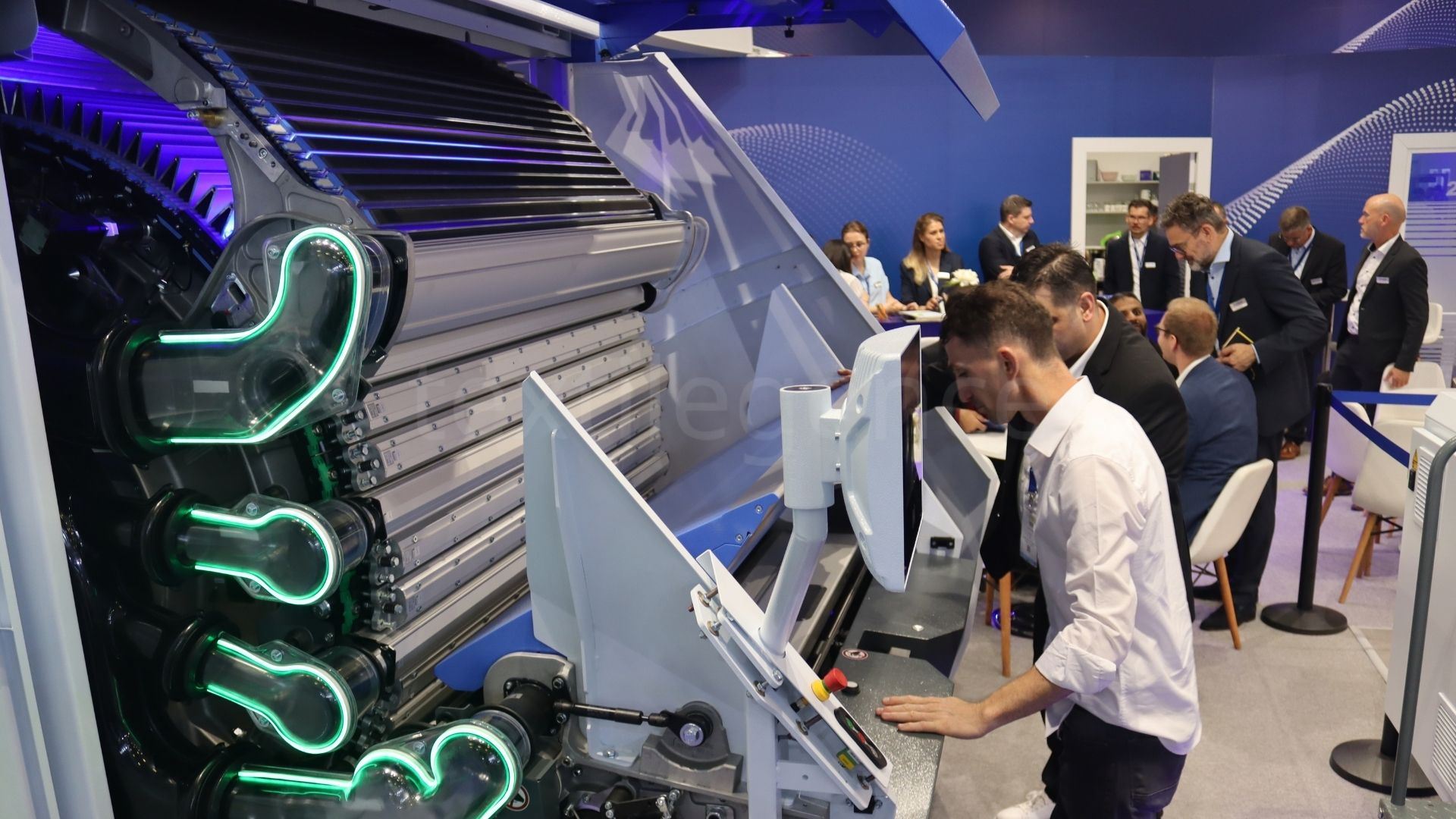
Trützschler’s digital platform MyMill was among the solutions showcased at the exhibition. The platform combines production data from Trützschler machines in fiber and spinning preparation into a single, easy-to-use application, giving users a transparent overview of their operations.
Markus Wurster explained that MyMill converts production data into practical information that supports day-to-day decision-making. “Our goal is to help mills operate more efficiently every day. MyMill supports this by enabling cost savings, optimizing machine performance, and reducing the time spent on routine tasks such as documentation and reporting. With continuously updated production information, centralized reporting tools, and proactive notifications, users can react faster, make better-informed decisions, and maintain full transparency over their production processes.”
T-CAN revolutionizes can transport
Another solution highlighted by Trützschler was the T-CAN system. The fully automated solution is designed to transport sliver cans between cards, breaker draw frames and finisher draw frames.
Markus Wurster said T-CAN combines sliver cans with automated guided vehicles (AGVs) and a smart software interface that that tracks every movement. He added that the system places each can precisely where it is needed, helping to ensure reliable material allocation and continuous production.
Wurster noted that many spinning mills are facing increasing challenges due to rising labor costs, operator shortages and higher quality requirements. He said automation solutions such as T-CAN help mills reduce manual handling, improve machine efficiency and maintain consistent sliver quality while adapting flexibly to different mill sizes and production requirements.
Carding technologies for different requirements
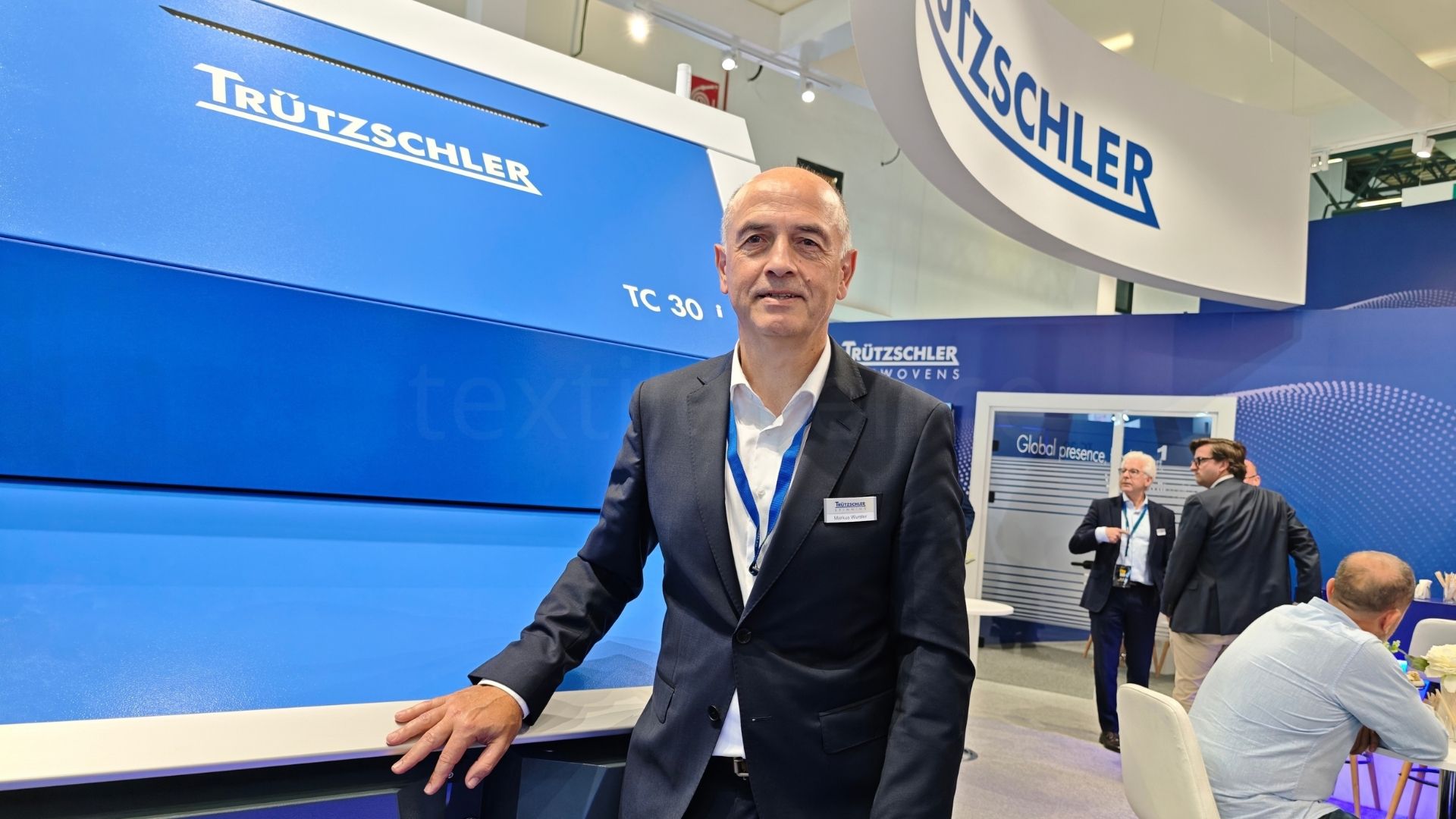
Trützschler also showcased its latest developments in carding technology at the exhibition. The company’s flagship TC 30i card is offered to manufacturers in different versions for different fibre types.
Markus Wurster said the company has developed dedicated solutions for cotton, fine fibres, man-made fibres and recycled raw materials, adding that customers can select machine configurations suited to their production requirements.
Markus Wurster explained that the T-GO system used on the machine enables precise control of critical carding gap settings, emphasising that this contributes to greater stability in production quality.
The third-generation integrated draw frame IDF 3 and automation solutions were also presented to visitors at the exhibition.
“The key to success is being close to the customer”
Asked about the current key priorities in the textile industry, Markus Wurster said customer satisfaction remains the most important issue.
Markus Wurster noted that manufacturers expect uninterrupted performance from their machines, saying: “Textile manufacturers want to get the maximum return from their investments. Customers make significant investments in their equipment. These machines are expected to run 24 hours a day. Therefore, it is not only technology that matters, but also service capabilities, access to spare parts and being close to the customer.”
Long-term partnerships are gaining importance in investment decisions
Markus Wurster also commented on the Turkish market, emphasising that Trützschler has built strong relationships with the Turkish textile industry over many decades. He said the company’s continued family-owned structure is an important source of confidence for customers, adding that investment decisions are influenced not only by technology but also by an approach based on long-term business partnerships.